A used knee scooter can still offer a lot of value. Whether you plan to reuse one for a future injury, pass it along to a friend, or resell it after recovery, the main priorities are safety, cleanliness, and presentation. If the scooter is solid, adjustable, and in good working order, it may still be worth keeping or selling rather than letting it sit unused.
Can You Reuse a Knee Scooter?
Yes, in many cases you can reuse a knee scooter as long as it is clean, stable, and properly adjusted for the next user. Since these mobility devices are often used for short recovery periods, many used scooters still have plenty of life left in them. Before reusing one, it is smart to clean it thoroughly, inspect its moving parts, and make sure the fit is correct.
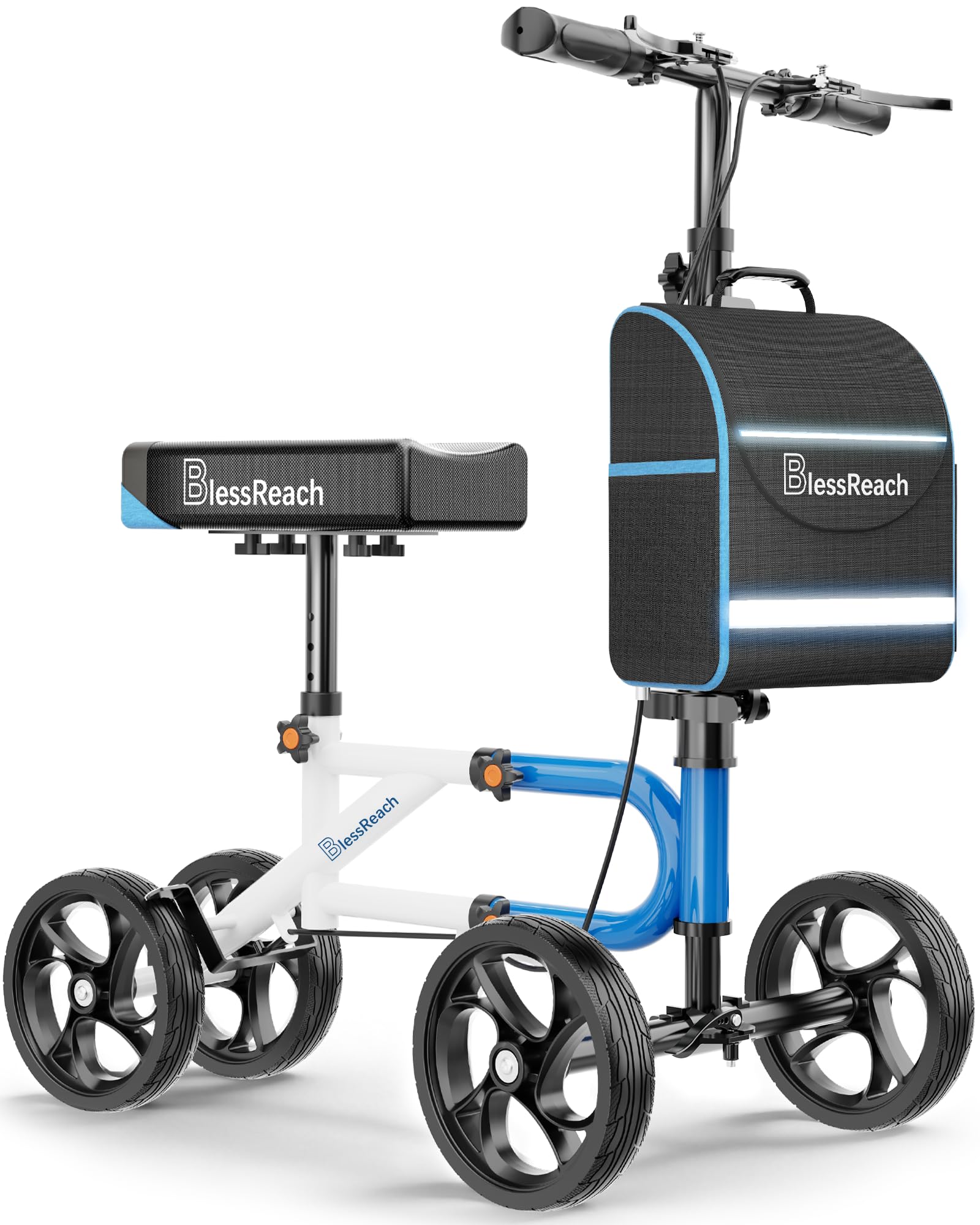
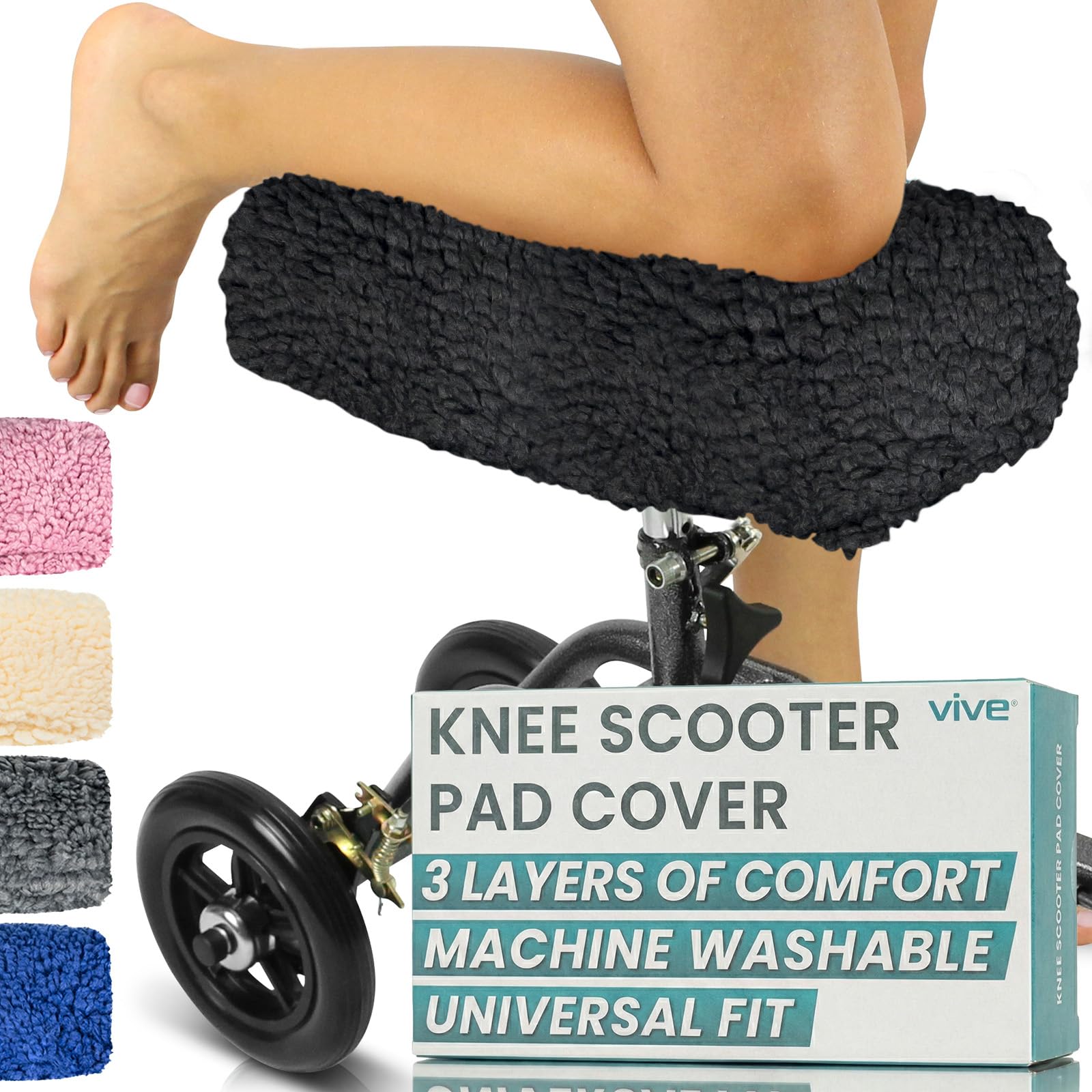
- Clean and sanitize all contact points: Focus on the knee platform, handlebars, grips, brake levers, and any basket or bag. If the knee pad cover can be removed, washing or replacing it can make the scooter feel far more usable for the next person.
- Inspect the wheels and frame: Check for wobble, flat spots, worn tread, rust, loose hardware, cracked welds, or bent frame parts. A used scooter should feel stable and roll smoothly before anyone depends on it.
- Test the brakes and lock: Brakes should engage cleanly and the parking lock should hold the scooter in place when getting on or off.
- Adjust it for the new user: Proper handlebar and knee platform height matter. A poor fit can lead to discomfort, reduced control, and unnecessary strain.
- Consider professional servicing if needed: If the scooter was stored for a long time, used heavily outdoors, or has steering or brake issues, a repair shop or medical equipment provider may be worth consulting.
Is It Worth Reselling a Knee Scooter?
In many cases, yes. A good used knee scooter can appeal to buyers who want to save money compared to buying new, especially if the scooter is clean, folds easily, and still feels stable. Because injuries often create immediate demand, a well-presented local listing can sell surprisingly fast.
- Clean condition matters: A freshly cleaned scooter with presentable wheels, a tidy knee pad, and working brakes will usually attract more interest than one that looks worn or dusty.
- Documentation helps: If you still have the manual, original box, model info, or receipts, include them. Extra details can make buyers more comfortable.
- Accessories can add value: Items like a basket, tool kit, spare parts, or a replacement pad cover may make your listing more attractive.
- Local selling is often easiest: Because shipping can be bulky and inconvenient, local marketplaces, community classifieds, and pickup-based listings are often the best fit.
- Medical supply stores may be worth checking: Some stores offer trade-ins, referrals, or buyback options, though this varies by area.
How to Get the Most Value from a Used Knee Scooter
- Keep up with simple maintenance: Tight bolts, smooth wheels, and strong brakes help preserve both safety and resale value.
- Store it properly: Keep the knee scooter indoors in a dry area rather than in a damp garage or shed where rust and stiffness can develop.
- Take clear photos: If selling, photograph both sides, the wheels, the knee platform, the brakes, and the folding mechanism.
- Write a useful listing: Include the brand, model, condition, weight capacity if known, and whether it folds or includes extras.
- Price it realistically: Check comparable local listings before setting a price. If you want a faster sale, price slightly below similar models in your area.
Whether you are saving it for later or planning to sell it, a used knee scooter can still be valuable. A little cleaning, maintenance, and clear presentation can go a long way toward making it safer to use and easier to sell.
Top Questions About Reusing and Reselling a Knee Scooter
Q: Can you safely reuse a knee scooter?
A: Often yes, as long as the scooter is clean, stable, properly adjusted, and all important parts such as brakes and wheels are in good working order.
Q: What should you clean before reusing a knee scooter?
A: Clean all high-contact areas, including the knee platform, grips, handlebars, brake levers, and any basket or bag. Replacing or washing the knee pad cover can also help.
Q: What parts should be inspected before reuse?
A: Check the wheels, bearings, brakes, locking mechanism, handlebars, frame, and all hardware for looseness, wear, or damage.
Q: Is it worth repairing a used knee scooter before selling it?
A: Minor improvements such as tightening hardware, cleaning it thoroughly, or replacing a worn pad cover may help it sell faster and for a better price.
Q: Where is the best place to sell a used knee scooter?
A: Local marketplaces and classifieds are often the easiest places to sell one because shipping a scooter can be awkward and expensive.
Q: What should be included in a used knee scooter listing?
A: Include clear photos, brand and model details, general condition, weight capacity if known, foldability, and any included accessories or replacement parts.
Q: Do accessories help resale value?
A: They can. Extras like a basket, adjustment tool, spare parts, or a cleaner-looking pad cover may make a listing stand out.
Q: How should a knee scooter be stored long term?
A: Store it indoors in a dry, cool place to help prevent rust, stiff wheels, and general wear from moisture exposure.
Q: How can you get the most money when reselling a knee scooter?
A: Clean it well, check that everything works, take good photos, write a clear listing, and compare local prices before posting it for sale.
Q: Is a higher-quality knee scooter easier to resell?
A: In many cases yes. Buyers often care about frame stability, smoother steering, folding convenience, and overall condition.
Affiliate disclosure: This site may earn a commission if you purchase through links on this page, at no extra cost to you. Content is for general informational purposes and is not medical advice.